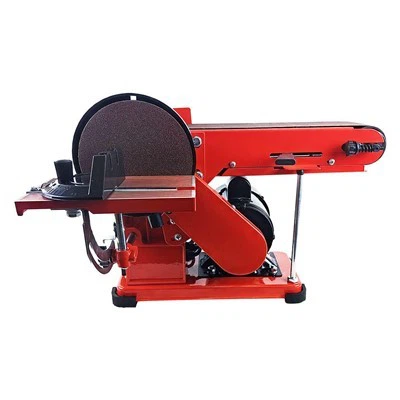
1. Installing and Adjusting the Sanding Belt: Select the appropriate sanding belt according to the sanding process requirements. Loosen the sanding frame locking device and install the belt onto the frame. Press the tension switch to tighten the sanding belt, then tighten the sanding frame locking device. Start the sanding system and adjust the belt deviation using the belt deviation adjustment system. The belt should deviate 10-20mm to the left and right, and the deviation speed should be uniform.
2. Starting the Polishing System: Press the polishing start button to start the polishing rollers.
3. Starting the Dust Removal System: Press the dust removal button to start the dust removal system. (On some models, the dust removal system is controlled in parallel with the conveyor belt.)
4. Adjusting the Worktable Height and Feeding the Workpiece: Adjust the worktable to the appropriate height according to the thickness of the workpiece. Start the conveyor belt and place the workpiece on it for sanding.
3. Comprehensive Adjustment for Best Results: The operator should observe the actual sanding effect and adjust the sanding roller speed, polishing roller height, brush roller height, conveyor belt speed, and worktable height. For high-precision sanding, especially when the paint film is thin or water-based paint is used, fine-tuning of the worktable (conveyor table) height is crucial. The lifting accuracy must reach the 0.01mm level to ensure that the paint film is not sanded through and to achieve the ideal sanding effect.
4. Normal Shutdown: Press the machine stop button to turn off the machine. Allow the machine to shut down normally for 1 minute before disconnecting the external power supply. (Do not use the emergency stop button or disconnect the external power supply to shut down the machine, otherwise the sanding belt and equipment will be damaged.)