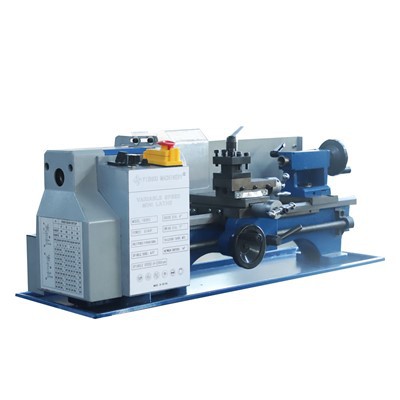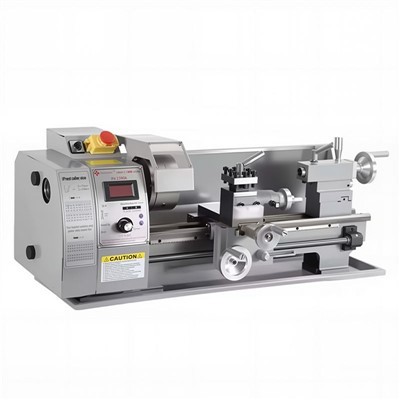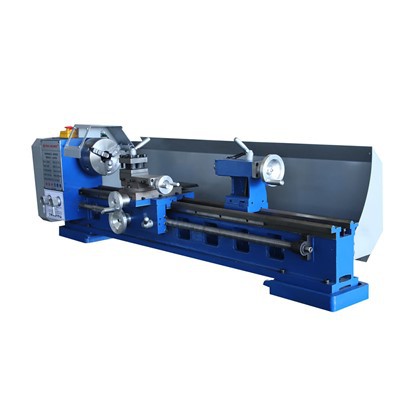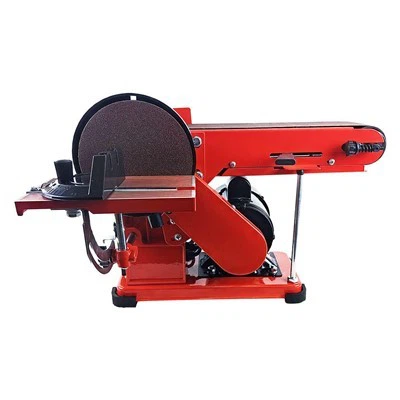
1. Before starting the lathe, first check that the oil circuit and rotating parts are functioning smoothly and normally. Wear tight-fitting work clothes with cuffs fastened. Long hair must be covered with a protective cap. Gloves are prohibited. Wear safety goggles when cutting workpieces and sharpening tools.
2. When starting the lathe, observe whether the equipment is functioning normally. The cutting tool must be securely clamped. The depth of cut must not exceed the equipment's load capacity. The protruding part of the cutting tool should not exceed 1.5 times the height of the tool body. When rotating the tool post, return the large cutting tool to a safe position to prevent it from colliding with the chuck and causing large workpieces to fall. Place a wooden board on the lathe bed. When using a crane to load and unload workpieces, do not remove the lifting device if the workpiece is not securely clamped in the chuck, and disconnect all crane control power. Remove the lifting device before rotating the lathe after the workpiece is clamped.
3. When using abrasive cloth to grind workpieces, use a hardwood pad for the abrasive cloth. Move the cutting tool to a safe position. Do not place tools or parts on the tool post surface. Secure the scriber.
4. When changing the speed of the lathe, the lathe must be stopped before changing the speed to avoid damaging the gears. When starting the machine, the cutting tool should be slowly approached to the workpiece to avoid chipping or damaging the workpiece.
5. Do not leave your work station while the lathe is in operation. Horseplay and other misbehavior are prohibited. If you need to leave, you must stop the machine and disconnect the power. Concentrate on your work. Do not measure workpieces while the machine is running. Do not change clothes near a running lathe. Personnel without a valid work permit are not allowed to operate the lathe alone.